


How to Plan a Diving Trip to Dauin, Philippines


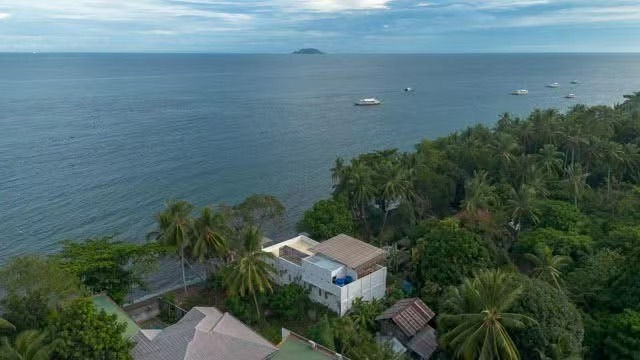
Dauin doesn't show up on many "top dive destinations" lists — and that's exactly why the divers who make it here tend to come back. No mass-market resorts, no crowded dive boats, just a black sand coastline stitched with house reefs, a marine sanctuary, and some of the best muck diving on the planet. The catch is that getting here takes a bit more planning than booking a package to Cebu or Boracay. Here's how to do it right.
When to go
Dauin dives year-round, which is part of its appeal. Visibility and conditions shift with the seasons, but there's no real "closed" period the way there is in some destinations:
November to May (dry season): Calmer seas, better visibility, and the most predictable weather. This is peak season, so book your room and dive slots a few months out if you're traveling over the holidays or in the March–April school break window.
June to October (wet season): More rain and occasional rough patches from tropical storms, but diving continues most days, and critter life on the muck sites doesn't take a break. This is also when you'll find quieter dive sites and better resort rates.
Water stays warm year-round — typically 26–29°C (79–84°F) — so a 3mm wetsuit or shorty covers most of the year.
Getting to Dauin
Dauin sits about 20 minutes south of Dumaguete City on Negros Island, and there are two practical ways in:
Fly into Dumaguete (DGT) via Cebu. This is the fastest route — a short domestic hop from Cebu (itself well connected to Manila and international gateways), followed by a 20–30 minute transfer to Dauin. We can arrange airport pickup so you're not sorting out a taxi with dive gear in tow.
Fly into Cebu and take the ferry to Dumaguete/Sibulan, if you want to combine the trip with time in Cebu or Bohol first. It's a longer day of travel but a scenic one.
Either way, build in a buffer day before your first dive if you're coming from a long-haul flight — jet lag and diving don't mix well, and it gives you a chance to settle in before your first briefing.
What to pack
Beyond the usual dive gear, a few things matter more here than at a typical reef destination:
A fine-mesh mask and a good macro-friendly mindset — Dauin's muck sites reward patience and close looking, not big-animal chasing.
A dive light, even for day dives — it brings out color in the black sand and helps you (and your guide) spot camouflaged critters.
Reef-safe sunscreen and a rash guard — the sun here is strong, and our house reef and the marine sanctuary are protected areas.
A basic first-aid kit and any personal medications — Dauin is a small town, so it's worth having your own supplies rather than relying on finding a pharmacy at short notice.
Building your itinerary
A week is the sweet spot for most divers: enough time to do the shore-entry marine sanctuary dives, a few muck diving outings, and a boat trip or two to nearby sites like Apo Island, without feeling rushed. A rough shape that works well:
Days 1–2: Settle in, refresher or check-out dive if it's been a while, shore dives on the house reef and marine sanctuary.
Days 3–5: Muck diving circuit — this is where Dauin earns its reputation, with frogfish, ghost pipefish, mimic octopus, and nudibranchs galore.
Day 6: Boat trip to Apo Island for a change of scenery — bigger reef fish, turtles, and healthy coral.
Day 7: A relaxed final shore dive or a day off to explore Dumaguete before flying out.
If you're working toward a certification or an advanced specialty, let us know when you book — we'll build course days into the schedule so they don't compete with your fun diving.
Booking with E-Fun
Because Dauin isn't a high-volume destination, dive slots and rooms do fill up around peak season and holidays. When you're ready to book, reach out with your target dates and diving goals (courses, macro photography, just relaxed reef diving) and we'll help you put together an itinerary — including airport transfers — so the only thing left to plan is which critter you're hoping to spot first.


Comments